How a Solopreneur Uses Smart Automation to Run a 6-Figure Business Alone

There’s a version of this story that gets told a lot. Someone quits their job, builds a “passive income empire,” and somehow runs everything from a laptop on a beach. It’s aspirational, sure. It’s also mostly fiction. The reality of running a six-figure solo business is far messier, far more specific, and frankly, far more interesting than that.
The people actually doing it the ones genuinely clearing six figures without a team aren’t working less. They’re working differently. The secret isn’t some mythical productivity hack or a $97 course. It’s architecture. Specifically, it’s the deliberate design of a business where automation handles the repeatable, and the human handles the irreplaceable.
The Invisible Workforce Behind One Person
Meet someone like Jordan. Not a fictional composite, but a representative portrait of dozens of real solopreneurs operating in this space today. Jordan runs a content strategy consultancy. Annual revenue: around $180,000. Full-time employees: zero. What Jordan has instead is a stack a collection of tools, triggers, and workflows that collectively behave like a small, tireless team.
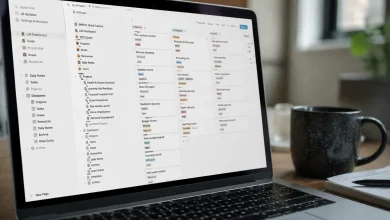
Every time a potential client fills out the intake form on Jordan’s site, a Zapier workflow fires. It logs the lead into a CRM, sends a personalized acknowledgment email, drops a task into Notion, and adds the contact to a follow-up sequence in ConvertKit. None of that required Jordan’s attention. By the time Jordan actually looks at the lead, the groundwork has already been done the person feels heard, the data is organized, and the next steps are queued.
That’s not magic. It’s just good plumbing.
Where Most Solo Operators Get This Wrong
The mistake most people make when they first hear about automation is that they go tool-shopping before they understand their own processes. They sign up for five platforms, half-integrate everything, and end up with a Frankenstein system that’s harder to maintain than just doing things manually.
Real automation discipline starts with a different question: what do I do repeatedly that doesn’t require my judgment? Sending welcome emails yes. Invoicing recurring clients yes. Scheduling social posts yes. Responding to a complex client crisis no. Crafting a proposal for a nuanced engagement no. The line between automatable and irreplaceable isn’t always obvious, but drawing it clearly is where the architecture begins.
Jordan spent three months mapping every task in the business before touching a single integration. The result was a Google Sheet with two columns: “me” and “not me.” Everything in the “not me” column became a candidate for automation or elimination. That exercise alone clarified what Jordan’s time was actually worth protecting.
The Automation Stack That Actually Moves Numbers
There’s no universal toolkit, but certain categories of automation tend to generate the most leverage for solopreneurs working at this level.
Client onboarding is one of the highest-ROI areas to automate. The period between a signed contract and the first substantive deliverable is full of friction document collection, access requests, briefing calls, expectation-setting. When that entire sequence runs automatically via a tool like Dubsado or HoneyBook, the client experience improves and the solopreneur saves hours per project. Over the course of a year with twelve to fifteen clients, that adds up to weeks.
Email marketing and lead nurturing is another. The economics of a solo business depend heavily on a short sales cycle and a high conversion rate, because there’s no sales team absorbing the volume. An intelligent email sequence one that educates, builds trust, and handles objections over several touchpoints before the prospect ever speaks to the solopreneur directly does the selling quietly in the background. Platforms like ActiveCampaign allow for branching logic, so the sequence adapts based on how subscribers interact with it.
Content distribution might be the least glamorous automation category, but it compounds enormously. A single piece of cornerstone content a long essay, a case study, a podcast episode can be automatically sliced and scheduled across LinkedIn, Twitter, and a newsletter using tools like Buffer or a combination of Make and native APIs. The solopreneur creates once; the system distributes for weeks.
The Psychological Contract Between Solopreneur and System
Here’s something that rarely gets discussed in the “automate everything” discourse: trust. Specifically, the trust a solopreneur has to develop in their own system before they can actually step away from it.
The first time Jordan let the onboarding workflow run without checking it obsessively every hour, there was anxiety. What if something breaks? What if the client gets a weird email? What if the task doesn’t get created properly? That anxiety is real, and it slows a lot of people down from fully committing to automation. They build the workflow and then hover over it which defeats the entire purpose.
The antidote isn’t blind faith. It’s testing, iteration, and eventually, evidence. After the onboarding workflow processed twenty clients without a single complaint, Jordan stopped checking it. The system had earned trust through performance. That mental handoff from “I should monitor this” to “this handles itself” is where the real time savings actually materialize.
Revenue at Scale Without Headcount
Six figures alone sounds impressive until you understand the math. At $180,000 in revenue with zero payroll, Jordan keeps a dramatically higher margin than an agency with five employees doing the same gross number. More of that money is real profit. More of it reflects actual business health. And because the cost structure is so lean, Jordan has enormous pricing flexibility the ability to take on projects that feel creatively meaningful even if they’re not the highest-paying, without that decision threatening the business’s stability.
Automation doesn’t just save time. It changes the economics. When a solopreneur can serve fifteen clients with the same energy it used to take to serve eight because the administrative drag has been systematically eliminated the business grows without the solopreneur burning out or compromising quality. The ceiling lifts.
What Still Can’t Be Automated
It’s worth being honest about the edges. Relationships can’t be fully automated, and anyone who tries usually pays for it eventually. Clients notice when they’re receiving a sequence rather than a person. The solopreneurs doing this sustainably use automation to create space for more genuine human contact, not to replace it. Jordan spends the time saved on intake workflows having deeper strategy conversations with clients the kind of conversations that generate referrals and renewals, which are the actual fuel of a six-figure solo business.
Creativity can’t be automated either, at least not in any way that currently generates the kind of differentiated thinking that justifies premium pricing. The ideas, the judgment calls, the perspective those remain stubbornly, necessarily human. What automation does is protect the conditions for that creative work by clearing away everything that would otherwise fragment attention and exhaust capacity.
Running a six-figure business alone isn’t about being superhuman. It’s about being strategic enough to know exactly which parts of your business need you and ruthless enough to hand everything else off to a system that never gets tired, never takes sick days, and never asks for equity.