Is Organic Reach Truly Dead? The Hard Truth About Algorithm Shifts
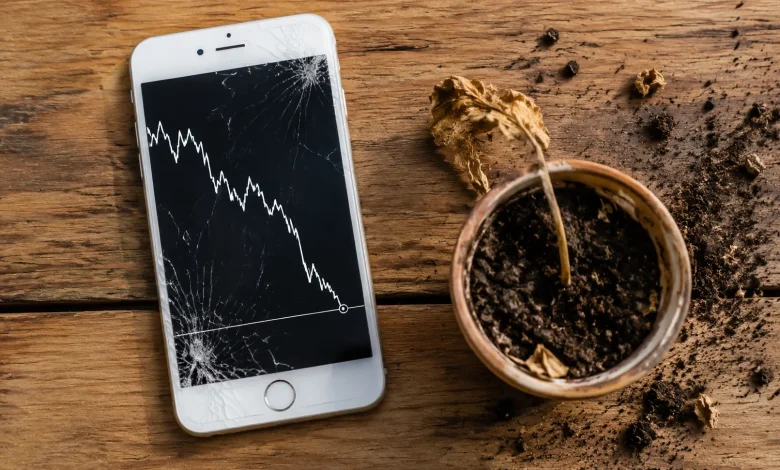
The Eulogy That Kept Getting Postponed
Every few years, someone publishes a think piece declaring organic reach officially dead. The headline spreads. Marketers nod solemnly. Brands quietly double their ad spend. And then somehow a creator nobody’s heard of posts a single video and wakes up to three million views, zero dollars spent.
So which version is true?
Both, actually. And that tension is precisely where the real conversation begins.
Organic reach hasn’t died. It’s been restructured, redistributed, and handed to a completely different kind of player than the ones who thrived in the early social media era. Understanding that shift requires more than a surface reading of engagement stats. It requires understanding what algorithms are actually optimizing for and why the rules changed in the first place.
What We Mean When We Say “Organic Reach”
Let’s be honest about how slippery this term has become. For a long time, organic reach meant something fairly specific: you post content on a platform, your followers see it, and some percentage of them engage with it. That model made intuitive sense. You built an audience; the audience received your content. Clean, logical, predictable.
Facebook killed that model somewhere around 2014. Page reach dropped from roughly 16% down to the low single digits within a couple of years. The outrage was loud and justified brands had spent years and real money building Facebook followings, only to discover that following meant almost nothing anymore unless they paid to reach them.
That moment set the emotional template for every organic reach conversation since. And it colored the way marketers interpreted every subsequent algorithm change as a betrayal, a squeeze, a tax on prior investment.
But calling it death missed what was actually happening underneath.
Algorithms Didn’t Kill Reach They Relocated It
Here’s a more uncomfortable reading of the situation: algorithms shifted reach away from accounts and toward content. That’s a fundamentally different architecture. In the old model, distributional power came from your follower count. In the new model, it comes from signal quality how people actually behave when they encounter what you made.
TikTok made this brutally obvious. A brand-new account with zero followers can publish a video that reaches five hundred thousand people in48 hours. That’s not dead organic reach. That’s organic reach on steroids, just built on completely different physics. The platform’s algorithm evaluates content independently of account authority, at least in the early distribution window. Completion rate, shares, saves, rewatches these are the currency now, not subscribercount.
Instagram’s shift toward Reels followed a similar logic. The platform openly told creators it was prioritizing content discovery over follower-based distribution. YouTube has leaned harder into its recommendation engine, where the homepage and suggested videos drive more watch time than subscriptions. Even LinkedIn stiff, professional LinkedIn now surfaces posts from people you don’t follow if the engagement pattern looks strong.
The mechanism has changed. The opportunity hasn’t disappeared.
So Why Does It Feel Dead?
Because for a specific kind of account the brand page, the corporate profile, the business that built its strategy on broadcasting to a captive audience organic reach genuinely has collapsed. That model is functionally gone. What replaced it demands something most legacy content strategies weren’t designed to provide.
Think about what algorithms are actually rewarding right now. On almost every major platform, the signals that trigger wider distribution share a common theme: they indicate that real humans chose to spend time with the content, return to it, or share it without being asked. Saves over likes. Comments that contain actual sentences over emoji reactions. Watch time over impressions. These aren’t arbitrary choices. They’re platforms trying to separate content that people want from content that merely exists.
A corporate blog post recycled into a flat graphic with a logo watermark isn’t going to generate those signals. It never really did it just used to get distributed anyway, because the old algorithm didn’t filter that aggressively. Now it does. The filter is tighter, but it’s also more honest about what was working versus what was merely appearing.
The Creator Economy as a Case Study in What Actually Works
Look at the accounts currently generating significant organic reach across platforms and there’s a pattern. They tend to be personality-driven or perspective-driven rather than brand-driven. They speak in a specific voice. They have a consistent point of view. They create content that either teaches something, makes someone feel seen, triggers a genuine reaction, or delivers entertainment that people want to pass along.
None of that is impossible for brands. But it requires abandoning the committee-approved, legally reviewed, brand-safe blandness that defines so much institutional content. The brands that have maintained real organic traction Duolingo on TikTok, Wendy’s on X before that platform imploded, certain direct-to-consumer companies with founders who post openly all did it by letting a specific human voice take the wheel.
That’s a harder organizational ask than buying ads. It involves risk tolerance, creative freedom, and a willingness to say something specific instead of something universally inoffensive. Most large organizations aren’t built for it. Which is why many large organizations genuinely do experience organic reach as dead because they’re unwilling to do what the algorithm is actually rewarding.
The Paid-Organic Relationship Is More Complicated Than It Looks
There’s a narrative that goes: organic is dying, so you have to pay. Platforms benefit from this narrative. It’s also not entirely wrong, but it obscures a more nuanced dynamic.
Paid reach and organic reach interact. A piece of content that performs well organically almost always performs better as a paid placement than one that didn’t. Algorithms across platforms use organic performance signals to calibrate ad delivery efficiency. You can’t buy your way past a legitimately bad piece of content, not without enormous waste. And in markets where cost-per-click has inflated significantly which describes most competitive verticals right now relying entirely on paid reach is increasingly expensive for increasingly marginal returns.
The smarter approach most growth-focused practitioners have landed on isn’t “go organic or go paid.” It’s understanding which content earns organic traction first, then amplifying it with budget. That sequence matters. Starting with paid as a substitute for content quality is a trap. Starting with organic signal as a filter for what deserves paid investment is a strategy.
What the Algorithm Actually Wants
Meta has said it publicly. YouTube has said it. TikTok’s entire product design implies it. These platforms want people to stay longer, come back more often, and feel satisfied not manipulated by what they encountered. That’s what drives advertising revenue, which is what drives their business.
An algorithm optimizing for time-well-spent will inevitably surface content that earns genuine attention. It will filter out content that games surface metrics without delivering real value. The platforms aren’t perfectly executing on this recommendation systems have significant failure modes, and the line between engagement and outrage-bait remains genuinely blurry but the directional intent is consistent.
Which means the question isn’t really whether organic reach is dead. The question is whether your content deserves to reach people who aren’t already following you. That’s a harder question. It doesn’t have a comfortable answer for everyone. But it’s the honest one.
The creators and brands posting today who are genuinely earning reach without paying for it aren’t doing it because they found a loophole. They’re doing it because they made something people actually wanted to consume, share, or return to. That was always the job. The algorithm just stopped hiding that fact.