Don’t Get Fined: The Essential Guide to Local Zoning and Permits for New Retailers
The Fine Print Nobody Reads (Until It’s Too Late)
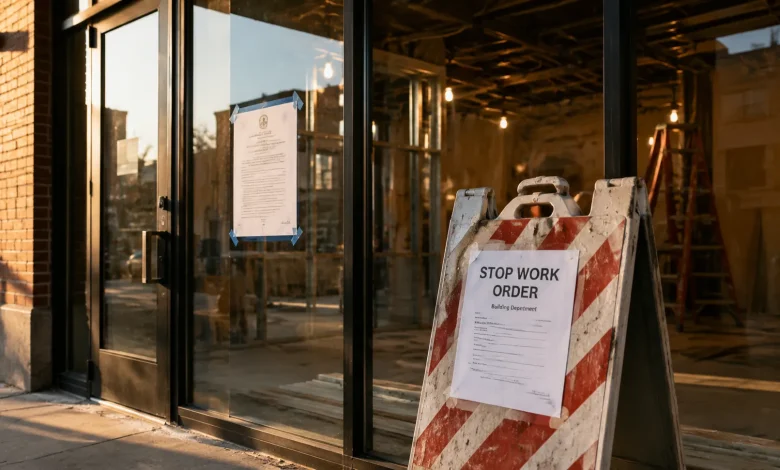
Picture this: you’ve signed the lease, ordered the fixtures, printed the business cards. Opening day is two weeks out. Then a city inspector shows up, hands you a stop-work order, and tells you that your storefront is in a zone that doesn’t allow retail at all. The buildout you just paid $40,000 for? Frozen. Your grand opening? Postponed indefinitely.
This isn’t a horror story invented to scare you. It happens to new retailers every year experienced, intelligent people who moved fast and assumed the landlord or their real estate agent had taken care of the compliance piece. They hadn’t. Because in most municipalities, that’s not their job. It’s yours.
Zoning laws and permitting requirements are the unglamorous foundation beneath every successful brick-and-mortar business. Understanding them before you sign anything isn’t just smart risk management. It’s the difference between opening on schedule and bleeding cash while city hall processes your variance application.
Zoning: It’s Not Just About What Neighborhood You’re In
Most people understand zoning at a surface level commercial districts are for businesses, residential zones are for homes. In practice, the system is far more granular than that, and the details are where new retailers get caught.
A typical municipality might have a dozen or more distinct commercial zoning classifications. “C-1” might permit only neighborhood-serving retail a pharmacy, a dry cleaner, a small grocery. “C-2” could allow larger format retail but prohibit food service with a kitchen. “B-3” might cover general business but restrict operating hours or outdoor signage. Each classification comes with its own list of permitted uses, conditional uses, and prohibited uses. A clothing boutique isn’t automatically “retail.” A shop that also does custom alterations on-site might be classified differently than one that only sells off-the-rack merchandise.
Before you fall in love with a space, pull the zoning designation and cross-reference it against the municipal code. Most cities now publish their zoning maps online search for “[city name] zoning map” or visit the planning department’s website directly. Look up the specific code for your zone and find the land use table. Your intended business activity needs to appear as a permitted use, not just a conditional one.
Conditional uses are a common source of confusion. They’re not prohibited, but they’re not guaranteed either. A conditional use permit (CUP) requires a separate application, often a public hearing, and approval from the planning commission. That process can take weeks to months. If your lease starts ticking while you’re waiting for a CUP, you’re paying rent on a space you can’t legally open.
What a Permit Actually Covers and Why One Is Never Enough
New retailers typically need multiple permits before they can legally operate, and each one comes from a different department with its own timeline, fee schedule, and inspection process. Understanding the full landscape early prevents the classic mistake of getting one permit and assuming you’re done.
The business license is the baseline. Every municipality requires it, it’s usually the simplest to obtain, and it means almost nothing on its own. It registers your business with the city for tax purposes. It does not certify that your space is compliant, that your buildout is legal, or that you’re allowed to operate in that location.
The building permit comes into play any time you modify the physical structure moving walls, adding electrical circuits, upgrading plumbing, creating a fitting room where none existed. Even relatively minor work can trigger a building permit requirement depending on your jurisdiction. Some landlords try to absorb this into the lease negotiation, offering tenant improvement allowances in exchange for handling permits themselves. Read that language carefully. If the permit is in their name and something is built incorrectly, the stop-work order still shuts down your opening.
A certificate of occupancy (CO) or in some cities, a change-of-occupancy certificate certifies that a space is legally suitable for your specific type of use. If the previous tenant ran a law office and you’re opening a candle shop with open flames and flammable inventory, the occupancy classification changes. That triggers a fresh CO application, which triggers inspections, which may reveal that the sprinkler system needs upgrading. These chain reactions are predictable if you ask the right questions early. They’re expensive surprises if you don’t.
Health department permits apply any time food or beverages are involved even incidentally. A gift shop that offers coffee to customers while they browse might need a food handler’s license. A boutique that hosts wine events on weekend evenings could require a temporary event permit or, in some states, a liquor license endorsement for the premises. The threshold varies significantly by state and county, so don’t assume because a neighboring business does something similar that you’re automatically covered.
The Signage Trap That Catches Everyone
Signage deserves its own conversation because it’s where a staggering number of new retailers get fined without ever expecting it. You’d be surprised how few people realize that hanging a sign requires a permit.
Sign ordinances regulate everything: square footage of signage relative to storefront width, maximum letter height, whether illuminated signs are allowed and what type of illumination, how far a sign can project from a building face, and whether window graphicscount toward your total permitted signage area. Historic districts and certain commercial corridors apply even stricter standards sometimes requiring design approval from an architectural review board before you can install anything.
The permit isn’t expensive. In most cities it’s $50 to $200 for a standard sign permit. The fine for operating without one, however, can run $500 or more per day in jurisdictions that take code enforcement seriously. And unlike a building permit issue that gets caught during a formal inspection, sign violations are visible from the street. Code enforcement officers drive past storefronts every day.
How to Run the Process Without Losing Your Mind
The most effective thing you can do is visit your local planning and zoning department in person before you commit to any space. Bring the address, the parcel number if you have it, and a clear description of your intended business activity. Ask directly: Is this parcel zoned for my use? Are there any overlay districts, special conditions, or deed restrictions I should know about? What permits will I need to open and operate?
City planners are, on balance, more helpful than people expect. They’re not there to catch you doing something wrong they’re there to answer exactly these questions. A45-minute meeting at the planning counter can surface issues that would otherwise take you six months and $15,000 to discover the hard way.
Build permit timelines into your lease negotiation. If you’re doing significant tenant improvement work, a30-day rent abatement period may not be sufficient. Building permits in busy municipalities can take four to eight weeks just for plan review, before a single inspection is scheduled. Contractors know this. Your architect knows this. Make sure your landlord knows you know it too, and that your lease reflects realistic timelines.
Finally, get a compliance checklist specific to your city and business type. Some municipalities publish these directly on their small business development pages. Others have small business liaisons whose entire job is to walk new business owners through the permitting process. The U.S. Small Business Administration also maintains local resource guides that can point you toward the right contacts. Use them.
The retailers who navigate this process well aren’t the ones who hired the most expensive lawyers or consultants. They’re the ones who asked the right questions at the beginning, gave themselves enough runway to deal with the answers, and treated regulatory compliance as part of the business plan not an afterthought.
Opening late because of a permit issue is a recoverable setback. Opening in violation and getting shut down after customers have already walked through your door is a different kind of problem. The fine is the least of it.