Behind the Screen: How Scammers Steal Your Identity

The Illusion of Safety in a Connected World
Most people think identity theft happens to someone else. Maybe someone careless, someone who clicks on obvious spam emails or uses “password123” for their bank account. But the uncomfortable truth is that the most sophisticated scams today are built precisely to fool careful people professionals, parents, retirees, anyone with a digital footprint and a moment of distraction.
Your identity is not just your name. It’s your Social Security number, your date of birth, your mother’s maiden name, the street you grew up on. It’s your credit history, your medical records, the email address tied to your financial accounts. Piece by piece, scammers don’t need everything at once. They collect. They wait. They assemble a version of you that’s detailed enough to open a credit card, file a fraudulent tax return, or drain a retirement account all without you knowing until the damage is done.
Phishing Has Grown Up
The phishing email of2005 was almost quaint. Broken English, a Nigerian prince, a request for your bank details in exchange for a fortune. Today’s version is something else entirely.
Spear phishing is phishing with a target painted on your back. Scammers research you your employer, your job title, the name of your manager and craft emails that look like internal communications. A message from “IT support” asking you to verify your credentials before a system update. A notification from “HR” about an updated benefits document. The sender domain looks almost right. One letter off. Easy to miss on a phone screen at 7 in the morning.
The more chilling evolution is voice phishing, or vishing. You get a call from someone who says they’re from your bank’s fraud department. They already know your name, your last four digits, even a recent transaction. They sound professional, urgent, sympathetic. They tell you your account has been compromised and they need to verify your identity to protect you. And in a moment of panic, you give them the very information they came for.
This is social engineering at its most effective exploiting not a software vulnerability but a human one. The instinct to trust, to comply, to resolve a crisis quickly.
Data Breaches You Didn’t Cause and Can’t Control
Here’s the part that genuinely unsettles people once they understand it: you can do everything right and still end up exposed.
Major data breaches have leaked billions of records over the past decade. Healthcare providers, retailers, government agencies, social platforms the companies that hold your personal information are targeted constantly. When Equifax was breached in 2017, the sensitive data of 147 million Americans was exposed. Not because those people clicked a bad link. Simply because they existed in the database.
After a breach, your information enters what’s known as the dark web a network of hidden sites where stolen data is bought and sold in bulk. A full profile, what criminals call a “fullz,” typically includes your name, address, Social Security number, date of birth, and financial account details. These sell for as little as fifteen dollars. Your entire identity, priced cheaper than a movie ticket.
What makes this particularly dangerous is the delay. Breached data often doesn’t surface on criminal marketplaces immediately. It might sit dormant for months or years before being used. By the time fraud appears on your credit report, the original breach may have been so long ago that you’ve forgotten about it entirely.
The Social Media Problem Nobody Wants to Admit
Scroll through the average person’s social media presence for twenty minutes and you can piece together a remarkable amount of intelligence. Their city, their employer, their birthday (complete with well-wishers making the date explicit). Their children’s names. Their pet’s name which is also, statistically, a fairly common password component. Their recent vacation, which tells a burglar they’re not home. Their new car purchase, which signals financial status.
People share freely because sharing feels social, feels normal, feels harmless. But scammers treat public profiles as reconnaissance tools. The information gathered there fills in the gaps left by purchased data, making impersonation more convincing and targeted attacks more precise.
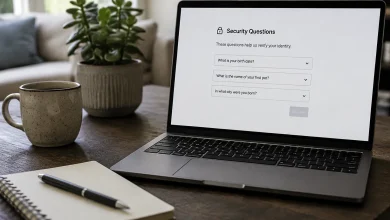
Even security questions those backup authentication prompts asking for your first pet’s name or your high school mascot can often be answered just by reading someone’s posts. The security architecture of your accounts may be undermined entirely by what you shared on your birthday five years ago.
Synthetic Identity Fraud: The Crime You Won’t Even Notice
Traditional identity theft is disruptive and detectable. You notice unauthorized charges. Your credit score drops. Creditors start calling.
Synthetic identity fraud is different, and in many ways more insidious. Instead of stealing your identity wholesale, criminals combine real and fabricated information to create an entirely new person. They might take your Social Security number perhaps from a child’s record, which sits unused and unmonitored for years and pair it with a made-up name and a fictitious address.
This synthetic person then builds credit slowly, over months or years, establishing a history that makes them appear legitimate. They take out loans, accumulate credit, and then vanish what lenders call “busting out.” The financial loss falls on banks and creditors. But your Social Security number, quietly embedded in that false identity, is now entangled in a fraud case you knew nothing about, and untangling it can take years.
What Recovery Actually Looks Like
People imagine identity theft is a problem you solve with a phone call. The reality is significantly grimmer. The Federal Trade Commission estimates that resolving an identity theft case takes an average of six months and200 hours of work. That includes filing police reports, disputing fraudulent accounts with credit bureaus, notifying government agencies, potentially hiring legal help, and documenting every step with exhausting precision.
Some victims deal with consequences that follow them for years denied mortgages, failed background checks, tax complications, medical records contaminated with someone else’s procedures. In the worst cases, people are arrested for crimes committed in their name by someone they’ve never met.
The emotional weight compounds the practical burden. There’s a particular violation in having your identity weaponized, in knowing that a stranger has been living as you, making decisions in your name, leaving a trail you now have to clean up.
Staying Ahead of Something That Keeps Moving
Credit freezes are one of the most effective tools available and among the least used. Freezing your credit with all three major bureaus Equifax, Experian, TransUnion prevents new accounts from being opened in your name without your explicit authorization. It costs nothing. It takes twenty minutes. And yet most people never do it until after a problem surfaces.
Multi-factor authentication, password managers, regular monitoring of credit reports, and email aliases for different types of accounts these aren’t paranoid behaviors. They’re the basic hygiene of a life lived online. Not because they make you immune, but because they raise the cost of targeting you enough that opportunistic scammers move on to easier prey.
The scammers behind these schemes are often organized, patient, and professional. They run operations with the structure and discipline of legitimate businesses, complete with customer support for other criminals buying their stolen data. Understanding the scale and sophistication of what you’re up against isn’t meant to inspire helplessness. It’s meant to dissolve the comfortable fiction that this is someone else’s problem.
It isn’t. The screen in your hand right now connects you to the same world it connects them to. The difference is just how prepared each side is for that fact.