How to Freeze Your Credit and Why You Should Do It Today

The Quiet Threat You’re Probably Ignoring
Most people don’t think about their credit until something goes wrong. A rejected loan application. A collection notice for a debt you never incurred. A credit card opened in your name at an address you’ve never lived at. By the time the damage is visible, it’s already done and unraveling it takes months, sometimes years, of frustrating phone calls, dispute letters, and documentation.
Identity theft isn’t a dramatic event. There’s no break-in, no moment of confrontation. It happens in the background, often through data breaches at companies you barely remember signing up with. In2023alone, the Identity Theft Resource Center reported over 3,200 data compromises in the United States the highest number ever recorded. Hundreds of millions of records were exposed. Your information, whether you know it or not, is almost certainly floating somewhere in the dark corners of the internet.
A credit freeze doesn’t prevent every form of identity theft, but it does one thing exceptionally well: it stops a thief from opening new credit in your name. And that’s the move that causes the most lasting damage.
What a Credit Freeze Actually Does
When you freeze your credit also called a security freeze you’re essentially placing a lock on your credit file at the major bureaus. Lenders who pull your report to evaluate a new credit application will see a restricted file and, in most cases, will decline to process the request. No new credit card. No personal loan. No auto financing. The application hits a wall.
The three major bureaus you need to contact are Equifax, Experian, and TransUnion. Freezing just one or two is not enough. Lenders use different bureaus, and a thief only needs one open door. Each bureau maintains its own file on you, so each one needs its own freeze.
It’s worth clearing up a common misconception: a freeze does not affect your existing accounts. Your current credit cards keep working. Your mortgage doesn’t change. Your credit score is not impacted in any way. The freeze only applies to new credit inquiries specifically the hard pulls that happen when a lender considers opening a new account.
There’s also a related but distinct tool called a credit lock, which some bureaus offer through their own apps. Locks can be toggled on and off more quickly, but they’re a product feature governed by the bureau’s terms of service, not federal law. A freeze is a legal protection guaranteed under the Economic Growth, Regulatory Relief, and Consumer Protection Act of 2018 which also made freezes free for everyone. There’s no cost to place one, no cost to lift it.
How to Actually Do It
The process is straightforward, though it does require a bit of time and patience since you’re dealing with three separate institutions, each with its own website.
Start with Equifax at equifax.com/personal/credit-report-services. Experian’s freeze portal is at experian.com/freeze/center. TransUnion handles it at transunion.com/credit-freeze. You can also call each bureau directly if you prefer to do it by phone, or send a written request by mail though online is generally the fastest route.
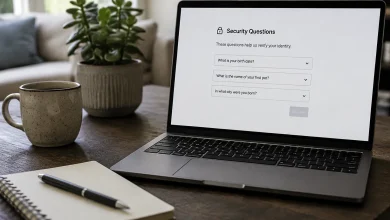
For each bureau, you’ll need to create an account or verify your identity. Have your Social Security number, date of birth, and current address handy. Some bureaus may ask for a previous address as well, particularly if you’ve moved in the past few years. The verification process exists to ensure that someone else can’t freeze your credit on your behalf a sensible safeguard.
Once the freeze is in place, each bureau will provide a PIN or password that you’ll need if you ever want to temporarily lift the freeze. Write these down and store them somewhere secure. Losing them doesn’t lock you out permanently, but recovering access adds steps and delay when you actually need to apply for credit.
The whole process, from start to finish across all three bureaus, typically takes thirty to forty-five minutes.
What About ChexSystems and LexisNexis
Here’s where it gets a little deeper. Equifax, Experian, and TransUnion are the big three, but they’re not the only data brokers that maintain files on you.
ChexSystems tracks your banking history overdrafts, unpaid fees, account closures. Many banks and credit unions use it when you apply to open a checking or savings account. If someone tries to open a bank account using your identity, the big three won’t stop that. ChexSystems will, if you’ve frozen your file there too. You can do so at chexsystems.com.
LexisNexis Risk Solutions is another one worth knowing about. Insurance companies, employers, and financial institutions all pull from LexisNexis to verify identities and assess risk. A freeze there adds another layer of protection that most people never think to establish. Their freeze request process runs through a dedicated consumer portal at consumer.risk.lexisnexis.com.
NCTUE, which stands for National Consumer Telecom and Utilities Exchange, holds data that telecom companies and utility providers use. A fraudster opening a phone plan or utility account in your name wouldn’t touch the big three but they would show up here. Freezing this file is an often-overlooked step that closes a real gap.
Taking care of all of these might add another hour to your afternoon, but the coverage you gain is meaningfully broader than a standard three-bureau freeze.
When You Need to Apply for Credit, Here’s What Happens
The most common hesitation people have about freezing their credit is the inconvenience of temporarily lifting it when they need to apply for something. The concern is understandable but overblown in practice.
When you know you’re about to apply for a mortgage, a car loan, or a new credit card, you simply lift the freeze either temporarily for a set number of days, or permanently at the bureau or bureaus the lender will be pulling from. You can usually find out which bureau a specific lender uses by asking them directly before you apply. Most lenders will tell you without hesitation.
Lifting the freeze can be done online within minutes. You provide your credentials and PIN, specify the duration if you want a temporary lift, and the file opens up. Once the window closes, the freeze reinstates automatically. It’s less disruptive than it sounds, and for people who rarely apply for new credit, it’s almost never an issue.
The friction is real but modest. Weigh it against the alternative: discovering that someone opened three credit cards and a personal loan in your name while you were going about your life, unaware.
The People Who Need This Most (and Don’t Know It)
There’s a demographic that bears a disproportionate share of identity theft risk and almost never takes precautions: children. Their Social Security numbers are clean slates no credit history, no accounts, no activity which makes them valuable targets. Fraud against minors can go undetected for a decade or more, only surfacing when the child applies for student loans or their first credit card and discovers a file already full of delinquent accounts.
Every major bureau allows parents and guardians to place a freeze on a minor’s credit file. The process requires a bit more documentation proof of identity for both the child and the parent but it’s entirely doable and worth the effort.
Similarly, elderly adults, particularly those who aren’t actively monitoring their finances, are frequent targets. Placing a freeze on a family member’s credit with their knowledge and consent is a simple act of protection that costs nothing and takes an hour.
The data breach landscape isn’t getting better. Every organization that holds your personal information is a potential point of failure, and the track record of corporate data security over the past decade doesn’t inspire confidence. A credit freeze won’t undo what’s already been exposed, but it neutralizes the most damaging thing a thief can do with that information: use it to borrow money in your name.
Thirty minutes today. That’s the investment. The alternative is measured in months of damage control.